
Every time you boot up your PC, Windows quietly launches a lineup of programs in the background before you even touch your mouse. Some of these are genuinely useful. Many are not. Over time, this list grows and your startup slows down noticeably, sometimes adding a full minute or more to the time it takes to get to a usable desktop.
Knowing how to disable startup programs is one of the most effective ways to speed up your Windows computer. Whether you are running Windows 10, Windows 11, or managing a Windows Server environment, this guide walks you through every available method, from the simplest point-and-click approach to more advanced options using the Registry and Group Policy.
Why Startup Programs Slow Down Your PC
When Windows starts, it does not just load the operating system. It also initializes every program set to run on startup, each competing for CPU time, RAM, and disk read speed simultaneously. The more startup apps Windows has to initialize, the longer it takes before you can use your machine comfortably.
Common culprits include update checkers, cloud sync tools, communication apps, game launchers, and manufacturer bloatware. Disabling the ones you do not need immediately at startup does not remove them from your computer. They still work when you open them manually. You are simply telling Windows not to launch them automatically.
Method 1: Disable Startup Apps via Task Manager
This is the fastest and the easiest method. Task Manager is the most accessible tool for managing startup apps on Windows 10 and Windows 11. It gives you a clear list of everything set to run on startup along with each program’s measured startup impact.
Steps for Windows 11
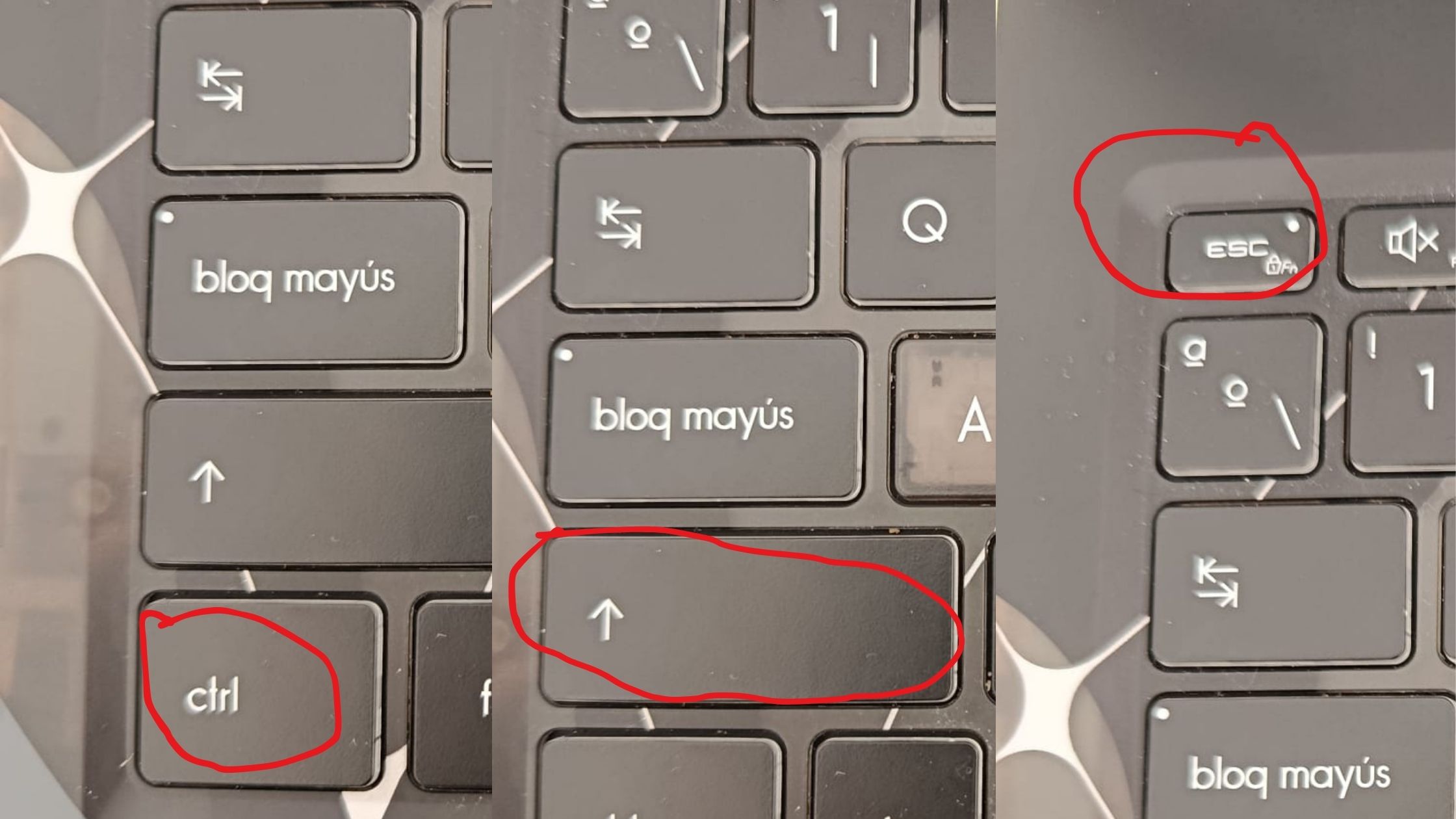
- Right-click the taskbar and select Task Manager, or press Ctrl + Shift + Esc.
- Click the Startup apps tab in the left sidebar.
- You will see a list of all programs with their publisher name and startup impact rating (None, Low, Medium, or High).
- Right-click any program you want to stop from launching at boot and select Disable.
- Restart your PC to see the effect.
Steps for Windows 10
- Open Task Manager with Ctrl + Shift + Esc.
- Click More details if the compact view appears.
- Navigate to the Startup tab across the top.
- Select the program you want to disable and click Disable at the bottom right.
- Reboot your PC.
The startup impact column is particularly useful here. Focus your attention on programs rated High or Medium first, as these have the greatest drag on your boot time.
Method 2: Use Windows Startup Settings
Windows also includes a dedicated startup settings section inside the Settings app. This approach works in both Windows 10 and Windows 11 and gives you another quick way to manage your startup apps without diving into Task Manager.
- Press Windows + I to open Settings.
- Go to Apps and then select Startup.
- You will see a list of startup apps with toggle switches next to each one.
- Toggle off any app you want to prevent from running on startup.
- Changes take effect on the next restart.
The startup settings panel in Windows shows the same programs as Task Manager but with a cleaner visual layout. It also sorts by impact, making it easy to spot the heaviest offenders at a glance.
Method 3: Using System Configuration (MSConfig)
The System Configuration tool, accessible by typing msconfig in the Run dialog, is a legacy but still functional option. On modern versions of Windows, its Startup tab redirects to Task Manager, but it remains useful for diagnosing startup issues through Selective Startup mode.
- Press Windows + R to open the Run dialog.
- Type msconfig and press Enter.
- In the General tab, select Selective startup.
- Uncheck Load startup items to prevent all startup programs from running during the next boot.
- Click Apply and OK, then restart.
This method is best used as a diagnostic step to confirm whether a startup program is causing system issues. For everyday startup management, Task Manager or the Startup Settings panel is more practical.
Method 4: Remove Programs from the Startup Folder
Windows has a built-in Startup folder where shortcuts to programs are placed to trigger them at login. Deleting a shortcut from this folder stops that program from launching at boot without affecting the program itself.
- Press Windows + R to open Run.
- Type shell:startup and press Enter. This opens the Startup folder for your current user account.
- For programs that start for all users, type shell:common startup instead.
- Delete any shortcut you do not want to run at startup.
This method is particularly useful if a program does not appear in Task Manager’s startup list, which occasionally happens with older software that places shortcuts directly in the Startup folder rather than registering through the Registry.
Method 5: Edit the Windows Registry (Advanced)
The Windows Registry is where most startup programs register themselves. This is an advanced method intended for users comfortable with editing system settings. Incorrect edits to the Registry can cause system instability, so back up your Registry before making any changes.
The key startup Registry locations are:
- HKEY_CURRENT_USER\Software\Microsoft\Windows\CurrentVersion\Run (current user)
- HKEY_LOCAL_MACHINE\SOFTWARE\Microsoft\Windows\CurrentVersion\Run (all users)
- Press Windows + R, type regedit, and press Enter.
- Navigate to either of the Run keys listed above.
- In the right pane, right-click any entry you want to remove and select Delete.
- Close Registry Editor and restart your PC.
If you want a more comprehensive guide on using the Registry safely, Microsoft’s official documentation is a reliable reference. Read Microsoft’s Registry documentation here.
Managing Startup App on Windows Server
Managing startup behavior on Windows Server follows similar principles, but the interface and tools differ slightly depending on the server version and whether you are using a GUI or Server Core installation.
On Windows Server 2016, 2019, and 2022 with a Desktop Experience, Task Manager is available and works identically to the desktop versions. You can use the Startup tab to disable any app listed there. The Registry method also works on Server editions using the same Run keys described above.
For Group Policy management on domain-joined Windows Server machines, administrators can control which startup apps run across an entire organization through the Computer Configuration and User Configuration settings. Navigate to Administrative Templates and look under System to find the relevant startup and logon policies.
On Server Core installations where there is no GUI, startup program entries must be managed through the Registry using reg.exe commands or through PowerShell. The command below lists all startup entries for the current user:
Get-ItemProperty HKCU:\Software\Microsoft\Windows\CurrentVersion\Run
Which Startup Programs Are Safe to Disable
Not every startup program deserves to be disabled. Some are essential for your hardware or security software to function correctly. Here is a general breakdown to help guide your decisions.
- Safe to disable: Spotify, Discord, Teams (if not used daily), Steam, Epic Games Launcher, OneDrive (if you do not use it), Skype, Adobe update checkers, browser auto-launchers.
- Use caution: Graphics card control panels (NVIDIA, AMD), audio drivers, touchpad software on laptops, cloud backup tools if you rely on them.
- Do not disable: Windows Defender / Security Center, your antivirus software, audio and display drivers, and any system service labeled as Windows or Microsoft.
When in doubt, search the process name online before disabling it. A quick search will typically tell you whether it is safe to remove from startup.
How to Re-enable Startup Programs
If you disable a startup program and later change your mind, re-enabling it is just as straightforward. In Task Manager, return to the Startup apps tab, right-click the program, and select Enable. In the Settings startup panel, toggle the switch back on. Programs disabled through the Startup folder can be re-added by creating a new shortcut there. Registry deletions are harder to reverse, which is another reason to prefer Task Manager or Settings for most users.
Third-Party Tools for Startup Management
While Windows built-in tools cover the majority of use cases, some users prefer a more detailed view. Tools like Autoruns from Microsoft Sysinternals go significantly deeper than Task Manager, showing every startup hook in the system including drivers, services, browser extensions, and scheduled tasks.
Autoruns is free and available directly from Microsoft. You can download it from the official Sysinternals page. It is particularly valuable for IT administrators and power users who need granular control over every process that runs during startup.
Conclusion
Learning how to disable startup programs is one of the simplest and most impactful things you can do for a slow Windows computer. For most users, Task Manager or the Startup Settings panel in the Windows Settings app offers everything needed. Users managing enterprise environments or Windows Server machines have additional paths available through Group Policy and the Registry.
The key habit to build is reviewing your startup apps periodically, especially after installing new software. Many programs add themselves to startup automatically during installation. A quick check every few months keeps your boot time fast and your background resource usage low.